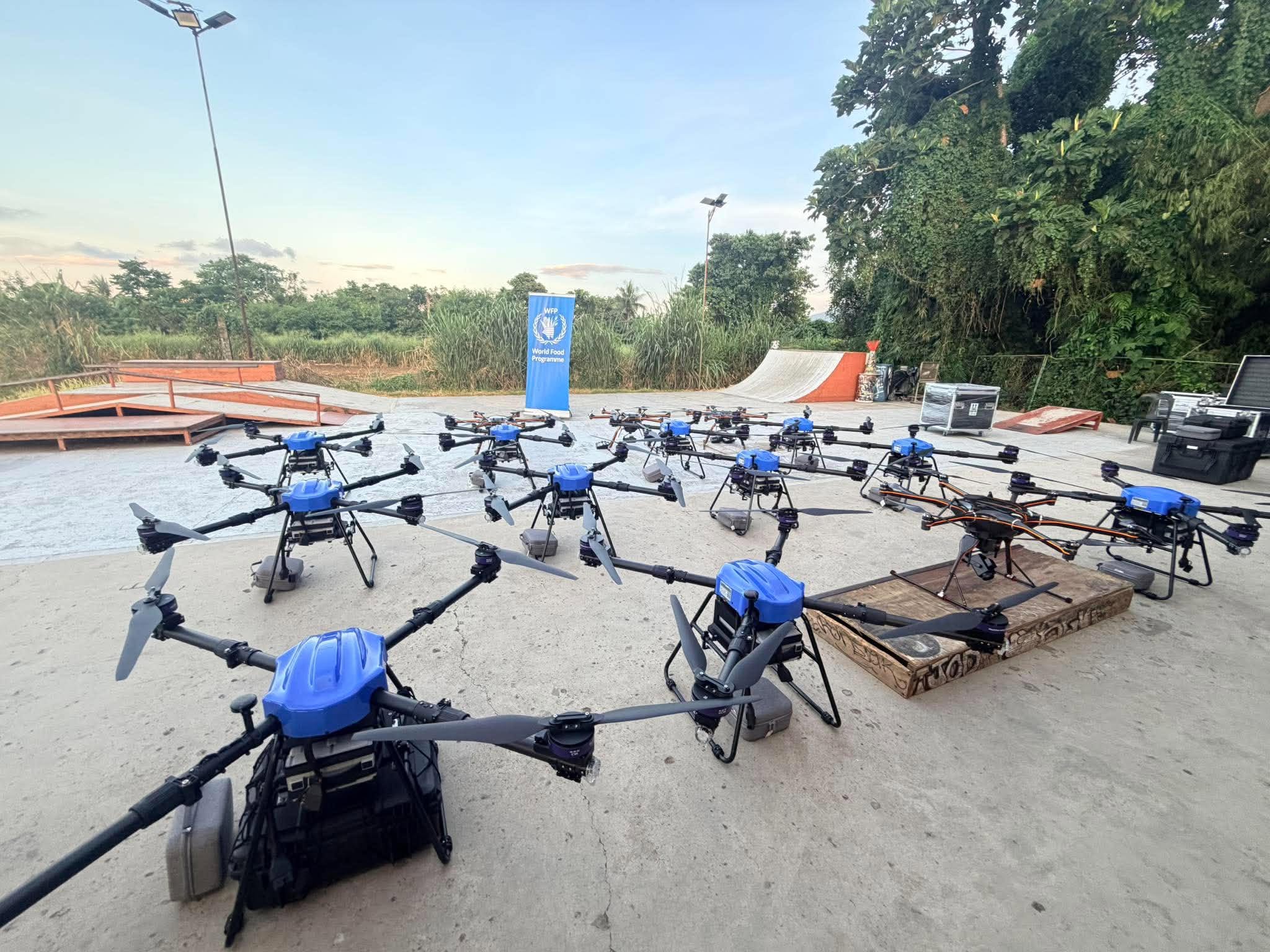
SkyModUAV Successfully Deploys Custom Atlas Drones to Support World Food Programme Missions
SkyModUAV Atlast Gen 1
LAGUNA, PHILIPPINES — In a significant boost to humanitarian logistics, Cebu-based tech enterprise SkyModUAV successfully completed the final flight testing and official turnover of its custom-built Atlas Gen 1 drones to the World Food Programme (WFP) on October 9, 2026.
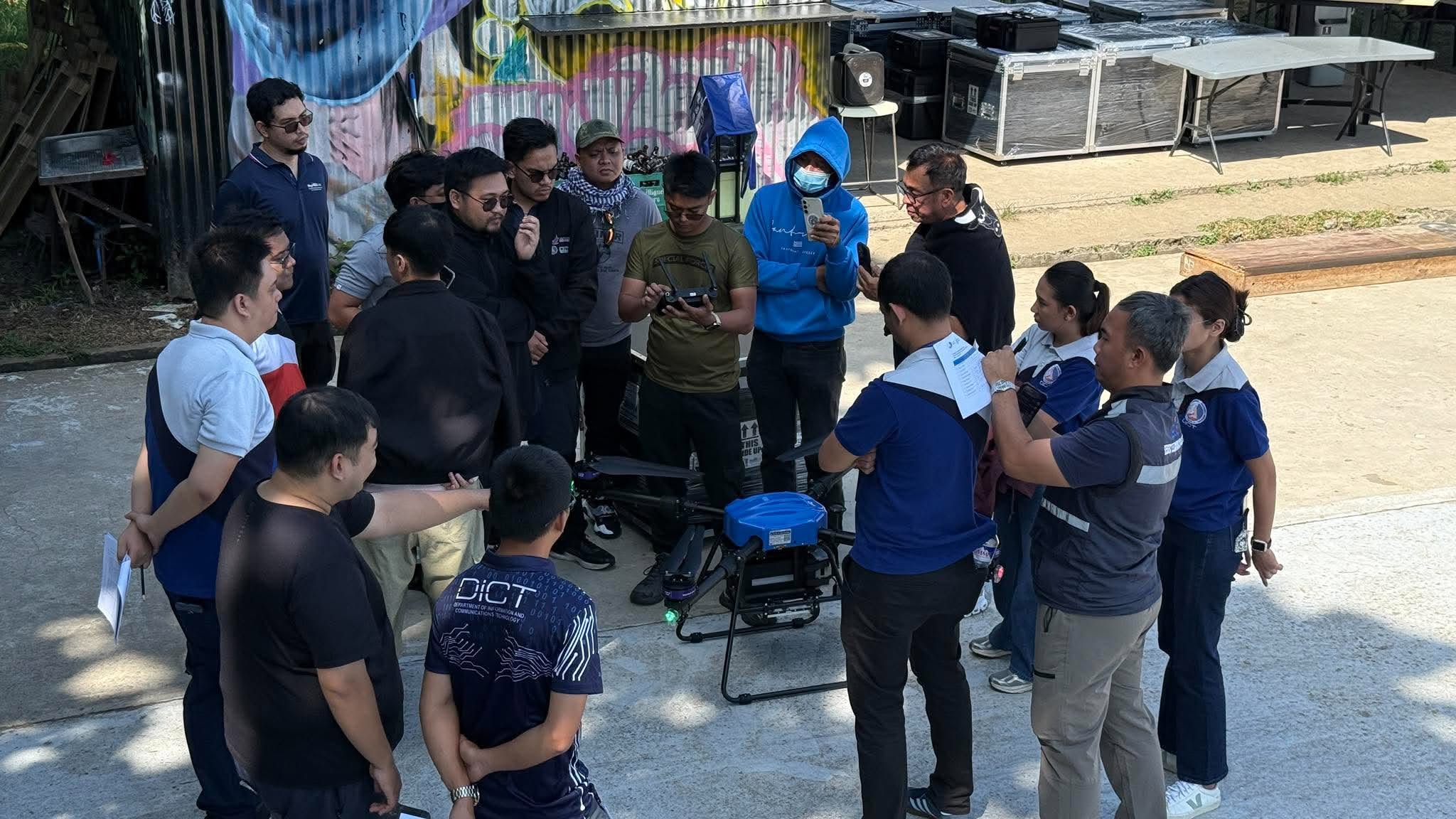
Led by founder Donatilio R. Porio, the SkyModUAV team—a specialized division of CebuDIYTech—took to the skies over Calauan and Calumbang, Laguna. The rigorous field tests were designed to push the unmanned aerial vehicles (UAVs) to their operational limits, simulating the demanding environments they will soon navigate during critical aid missions.
During the extensive trials, the engineering team evaluated every critical flight system. The Atlas Gen 1 units were subjected to dynamic hover testing, maneuverability checks, and failsafe simulations, including automated Return-to-Launch (RTL) scenarios.
"These aren't just off-the-shelf units; they are custom-engineered for resilience and reliability," noted Porio following the successful flights.
The heavy-lift SkyMod Atlas Gen 1 units boast an impressive 5-kilogram payload capacity and a 5-kilometer operational range, making them highly capable assets for transporting essential supplies across challenging or inaccessible terrains.
Following the validation of the drones' flight stability, endurance, and technical payloads, the fleet was officially handed over to WFP representatives. The comprehensive delivery package included the fully assembled UAVs, ruggedized transport boxes, spare propeller sets, and specialized maintenance toolkits to ensure long-term operational readiness in the field.
The successful deployment underscores the growing role of local technological innovation in global humanitarian efforts, equipping the WFP with the cutting-edge tools necessary to bridge the gap in emergency response and supply chain logistics.